
The Wichita Desk Worker Guide: Reducing the Strain of Sitting
The Modern Workplace Challenge
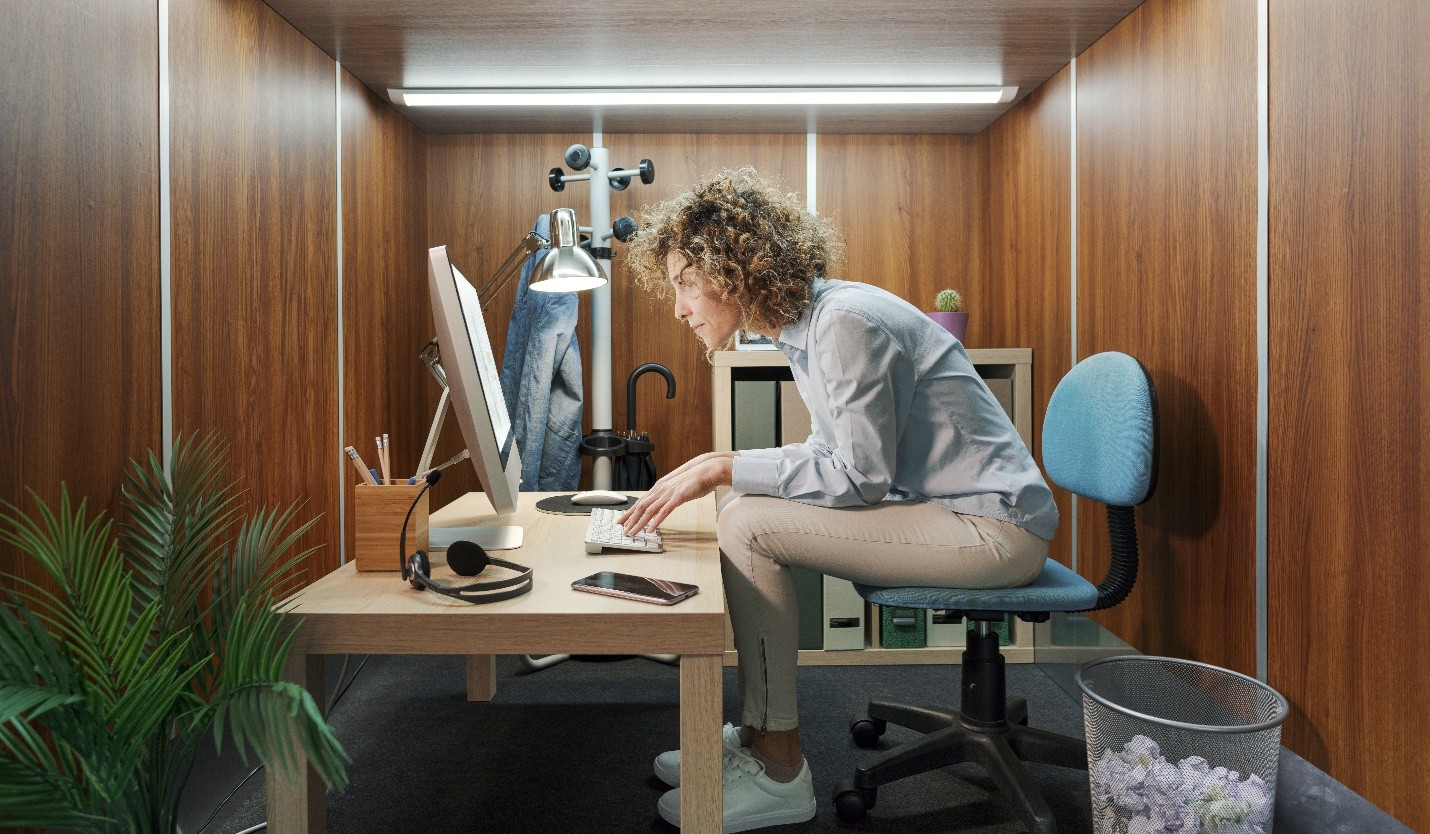
Across offices and home workspaces in Wichita, KS, many people now spend much of their workday sitting in front of a screen. Whether you work in aviation, insurance, healthcare administration, or remote technology, prolonged sitting has become a routine part of modern work life.
While the work itself may be mental, the physical demands are real. At Wellness @ Work, we frequently see desk workers seeking help for neck stiffness, upper back discomfort, and postural fatigue commonly associated with prolonged screen use.
Understanding the Effects of Prolonged Sitting
Your head weighs approximately 10–12 pounds when your spine is in a neutral, upright position. When posture changes—particularly when the head drifts forward toward a screen—the demands on the neck and upper back increase.
Biomechanical research suggests that as the head tilts forward, the load placed on the cervical spine rises substantially. For example, modeled estimates show forces increasing progressively with greater forward head angles. Over time, this added strain can contribute to discomfort and reduced tolerance for sustained sitting.
Common postural patterns associated with desk work include:
Forward Head Posture
Holding the head forward for extended periods may contribute to ongoing neck tension and, in some individuals, headache patterns linked to muscular strain.
Rounded Shoulders and Upper Back Stiffness
Prolonged sitting can encourage tightening of the chest muscles and reduced activity of the upper back muscles, often leading to stiffness and a “hunched” feeling by the end of the day.

Shallow Breathing Patterns
Slouched posture can limit comfortable rib and diaphragm movement, which may make breathing feel more shallow and contribute to fatigue during long workdays.
Three Simple Ways to Reduce Desk-Related Strain
You don’t need to change careers to feel better at work. Small adjustments, performed consistently, can make a meaningful difference.
1. The Eye-Level Rule
Position your primary monitor so that the upper portion of the screen is near eye level. This setup encourages a more upright head position and reduces the tendency to lean forward toward the screen.
2. Regular Movement Breaks
Extended stillness is often more stressful than movement itself.
A simple approach:
- Every 20 minutes, briefly look away from the screen
- Stand, reset your posture, or gently move your shoulders and upper back
- Resume work feeling more upright and relaxed
These brief breaks help reduce accumulated stiffness and visual fatigue.
3. Hydration Matters
Spinal discs and soft tissues rely on adequate hydration to maintain their normal mechanical properties. Staying well hydrated supports overall tissue health and resilience throughout the workday.
How We Support Wichita Desk Workers
Chiropractic care is not just about addressing discomfort—it can also help improve how your body moves and tolerates daily demands.
At Wellness @ Work, our approach often includes:
- Joint and Soft Tissue Care
Aimed at improving motion and reducing stiffness in the neck and upper back - Posture and Workspace Guidance
Helping patients better understand how their daily setup may be contributing to strain - Functional Exercise and Movement Strategies
Designed to support the muscles that help maintain upright posture throughout the day
Our goal is to help people move more comfortably and function better during the work week.

Ready to Make a Change?
If you’ve noticed increasing stiffness at the end of the day, frequent neck tension, or discomfort associated with desk work, it may be time to reassess how your body is handling the demands of sitting.
Wellness @ Work, PA is dedicated to helping the Wichita workforce move better and stay active.
📞 316-684-4888
📍 837 S. Hillside, Wichita, KS 67211