
The Hidden Engine: How Hip Stability Supports a Healthy Back
The “Wobbly Chair” Effect
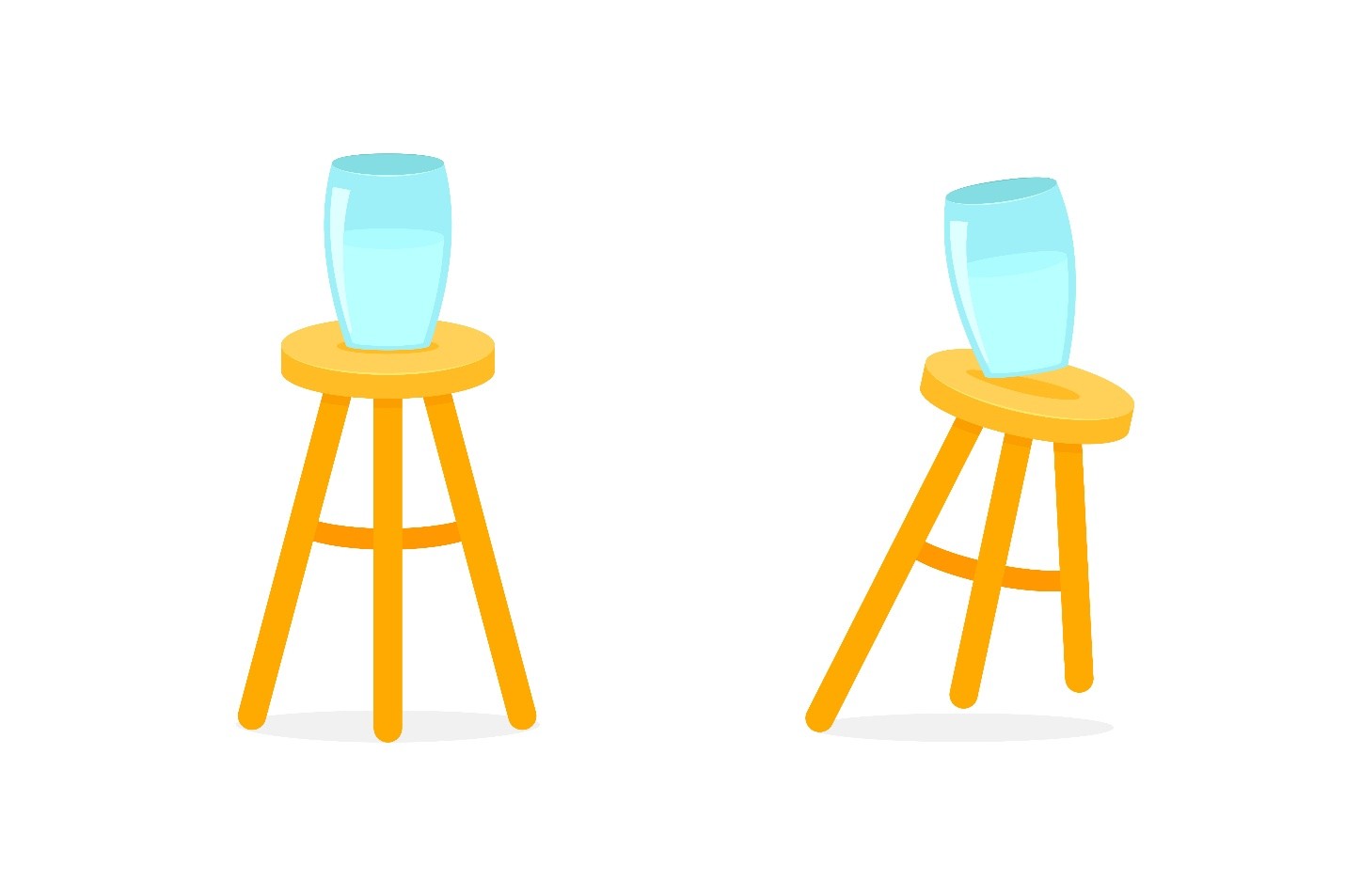
Imagine sitting in a chair where one leg is slightly shorter than the others.
To stay balanced, your body shifts, tightens, and works harder than it should.
Human movement works in a similar way.
The hips act as a central support system for walking, standing, and lifting.
When the muscles around the hips are not providing steady support, other areas of the body may compensate.
Over time, this added strain can contribute to discomfort in the back, knees, or feet.
How Hip Weakness Can Influence the Body
Reduced hip stability does not affect just one joint.
Because the hips connect the trunk to the legs, movement changes can travel through the entire kinetic chain.
Lower Back Stress
If the hips are not stabilizing efficiently, the lower back may take on extra work during standing and walking, which can contribute to fatigue or stiffness.
Knee Alignment Changes
Hip muscle weakness can allow the knee to drift inward during movement, increasing stress on surrounding tissues.
Foot and Arch Strain
Changes higher in the leg can influence how the foot contacts the ground, sometimes contributing to overuse discomfort in the arch or heel.
Pain is not always located where the underlying movement issue begins.
Why Hip Muscles Become Less Active
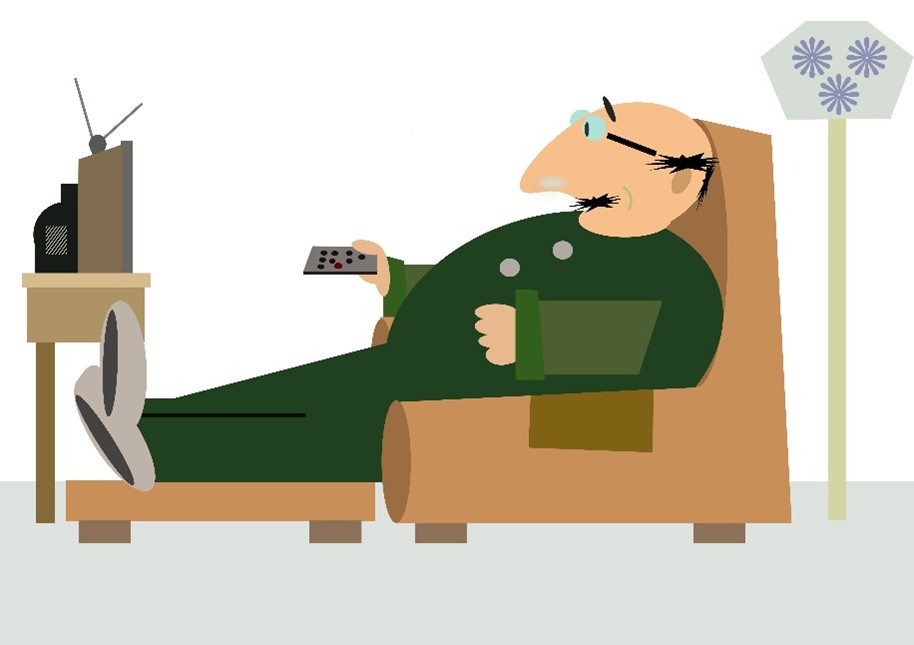
Modern daily habits often limit hip function.
Long periods of sitting can:
- Shorten muscles at the front of the hips
- Reduce activation of side-hip stabilizing muscles
- Decrease movement variability throughout the day
When this pattern continues, the body may rely more on the back or knees for stability instead of the hips.
Where Chiropractic Care Fits
Chiropractic care focuses on improving movement quality and reducing mechanical stress rather than treating a single painful spot in isolation.
At Wellness @ Work, care may include:
Movement and Joint Function Assessment
Evaluating how the hips, pelvis, and spine work together during everyday motion.
Gentle Manual Techniques
Supporting normal joint motion in areas that feel restricted or stiff.
Targeted Exercise Guidance
Teaching simple movements designed to improve hip stability and coordination at home.
Recommendations are always individualized and based on examination findings.
Small Changes That Support Hip Stability
Consistent, simple habits often make the greatest difference:
- Regular walking or light activity during the day
- Brief movement breaks from prolonged sitting
- Exercises that strengthen the side-hip and core muscles
- Attention to posture during standing and lifting
These strategies help distribute movement demands more evenly throughout the body.
Building a Stronger Foundation for Movement
Comfortable movement depends on how well different parts of the body work together.
When hip stability improves, many people notice less strain in surrounding joints and better tolerance for daily activity.
Supporting the hips is one practical step toward whole-body function and long-term mobility.
Wellness @ Work, PA
📞 316-684-4888
📍 837 S. Hillside, Wichita, KS 67211