
The Jaw–Neck Connection: Why Headaches May Be Linked to Your Bite
Understanding the Jaw–Neck Relationship
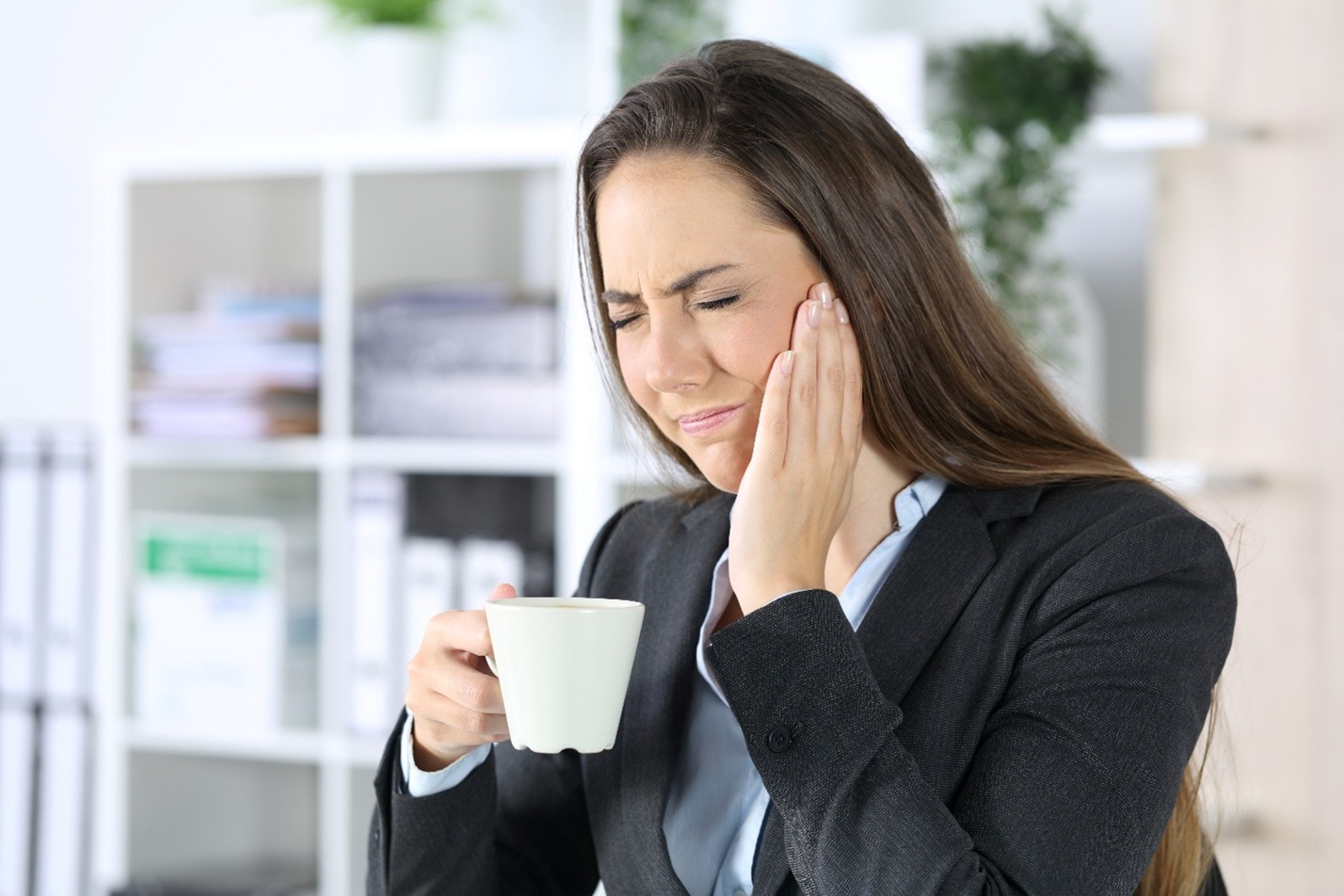
Do you ever wake up with jaw tightness or notice yourself clenching your teeth during stressful moments of the day? Many people are surprised to learn that the jaw—known as the temporomandibular joint (TMJ) and the neck are closely connected both mechanically and neurologically.
Although these areas feel separate, they function as part of an integrated system. Tension or dysfunction in one region can influence how the other moves and feels.
At Wellness @ Work, we often see individuals with neck stiffness or recurring headaches who also show signs of jaw tension or limited jaw mobility.
The Cranio-Cervical Connection
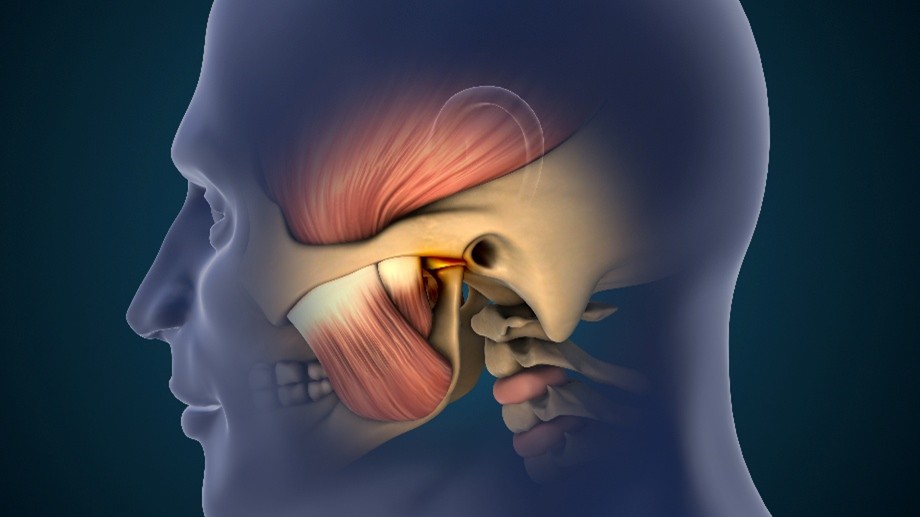
The jaw, skull, and upper cervical spine work together to support head movement, posture, and chewing. Because of this close relationship, changes in one area may influence the others.
Shared Nerve Pathways
Sensory input from the jaw and upper neck travels through overlapping pathways within the brainstem, including areas associated with the trigeminal nerve system. Because these signals converge, discomfort originating in the jaw may sometimes be perceived as neck pain—or vice versa.
Postural Compensation
Jaw tension or altered bite mechanics may influence head posture. Even subtle forward or side-to-side shifts can increase muscular demand at the base of the skull, contributing to tightness or pressure-type headaches in some individuals.
Muscular Imbalance
The muscles responsible for chewing attach closely to the skull and upper cervical region. Persistent clenching, grinding, or asymmetrical muscle activity may place added strain on the neck and upper back over time.
Signs Your Jaw May Be Contributing to Neck or Head Discomfort
You may notice this connection if you experience:
- Clicking or popping in the jaw when opening or chewing
- Headaches that begin near the temples or behind the eyes
- Morning jaw soreness or neck stiffness
- Facial tightness associated with stress
- Ear pressure or ringing sensations not linked to infection
These symptoms do not always occur together, but patterns involving both the jaw and neck are common.
How Chiropractic Care May Help
Chiropractic care does not treat the jaw in isolation. Instead, it focuses on how the jaw, neck, and posture interact during daily movement.
At Wellness @ Work, care may include:
Upper Cervical and Thoracic Motion Assessment
Evaluating how the upper spine moves and whether restricted areas may be contributing to muscular tension.
Soft Tissue Techniques
Addressing tight jaw and neck muscles that may influence comfort and movement.
Postural and Movement Guidance
Helping patients understand habits such as clenching, screen posture, and stress patterns that can affect both jaw and neck function.
Recommendations are individualized and based on examination findings.
Supporting Whole-Body Balance
The body functions as an integrated system rather than a collection of isolated parts. When jaw tension, neck stiffness, and posture are considered together, many people gain a clearer understanding of why symptoms may persist—and what steps may help support better movement and comfort.
Wellness @ Work, PA
📞 316-684-4888
📍 837 S. Hillside, Wichita, KS 67211